What Is a Brand Ambassador? Roles, Pay and How to Start
What is a brand ambassador? See how ongoing product use differs from a one-off sponsorship, plus the roles, daily work, and skills the job takes.


Chapters
In short
A brand ambassador represents and promotes a company over time, using its products and connecting the brand with consumers through ongoing posts, events, or in-person conversations. Strong ambassadors know the product, communicate honestly, show up reliably, and follow agreed brand guidelines; the work may include demonstrations, answering questions, collecting feedback, and sharing content. In practice, an ambassador partnership builds familiarity and trust beyond a one-off sponsored post, so check the pay, scope, exclusivity, and content usage rights before accepting.
Think about the friend who won’t stop raving about one coffee grinder. You trust that recommendation because they use it every day and keep coming back to it.
A brand ambassador is someone who represents a company over an extended period, showing its products in real use. It’s a deeper arrangement than a single sponsored post.
In this post, we’ll cover what ambassadors do, how they’re paid, how to become one, and how these deals differ from a one-off sponsorship.
What a Brand Ambassador Is and Does
A brand ambassador promotes a company’s products over an ongoing stretch, not in a single post. Here’s what that role covers and why brands invest in it.
The face and voice of the brand
An ambassador becomes the face of the brand, the person your audience links with the company. Instead of a logo on a banner, viewers see someone they already follow using the product.
Ambassadors also create a direct link to consumers. Viewers ask questions, and the ambassador carries what they hear back to the company. The product can look identical in a TV spot or a creator’s video, but who is saying it changes how people receive it.
Ambassadors also embody corporate identity, the tone and values a company wants people to link with its name. A brand that’s playful and direct needs someone who sounds that way on camera, not someone reading a script.
Consider a home streamer who uses the same headset in most of her broadcasts. When chat asks about sound quality, she answers like someone who’s actually lived with it, and the company hears which questions keep coming up. That’s the role in action.
Why brands lean on ambassadors
Brands tend to bring in ambassadors for four main reasons:
- A competitive market. Many products look alike on paper, so a trusted voice helps one brand stand out.
- Brand awareness. An ambassador puts the company’s name in front of an audience that already follows them, again and again.
- Driving sales. A recommendation from someone viewers trust can nudge them toward buying.
- Connection beyond digital. Ads can feel cold. A real person answering comments gives people something to connect with beyond the screen.
What Ambassadors Do Day to Day
Most of an ambassador’s shift happens on the floor, at a booth, or at an event, where the brand gets explained to real people in real time. Here’s how that breaks down, and where we’d focus first.
Talking with shoppers and answering their questions
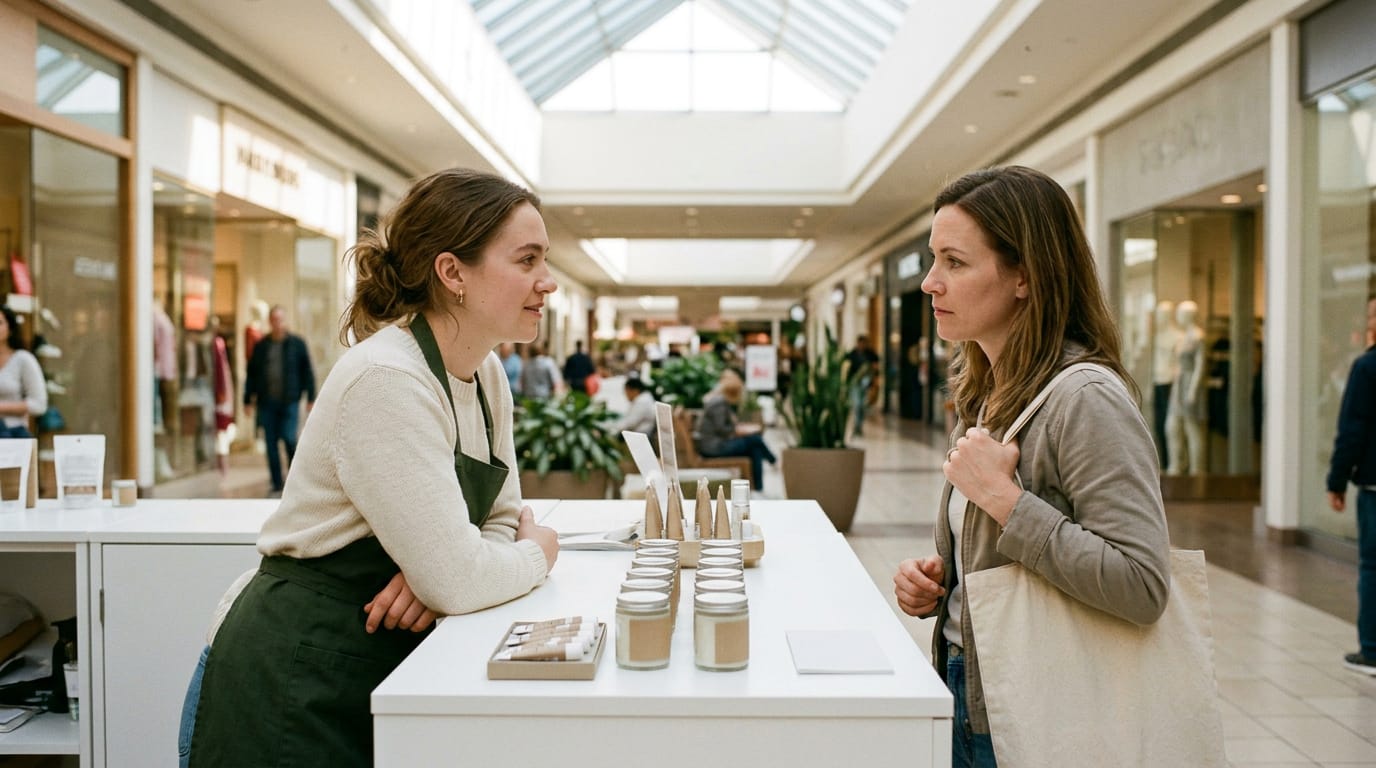
Ambassadors approach shoppers who pause near the display and listen before pitching. When you explain features and benefits, connect the product to what that shopper cares about.
A skincare ambassador at a mall kiosk might tell someone with oily skin that a lightweight moisturizer won’t leave a film, then hand over a sample. When you don’t know an answer, say so, because admitting a gap earns more trust than a guess.
Shoppers also push back on price or say they already own something similar. Overcoming objections is less about winning the argument and more about understanding what’s holding someone back.
Setting up eye-catching product displays
Before anyone walks over, an eye-catching display has to do the talking. Retail merchandising means arranging products so they’re easy to see and reach:
- hero items at eye level
- similar products grouped
- open space so nothing looks crowded
Event setup and breakdown should follow the same layout each time, and signage should read clearly from a few steps back. The sign tells people what to look at, while the products show them why it’s worth stopping.
Running demos and handing out samples
Product demonstrations show the product doing its job in a few quick steps. Distributing samples is about pacing: offer one to someone already slowing down, then keep the line moving.
Interactive try-out experiences let shoppers hold, test, or use the product themselves. Think of a snack ambassador at a weekend food fair who asks a passerby which flavor they’d pick. That one question turns a bystander into a conversation.
Health and safety compliance means following each venue’s rules for handling products, like sanitizing shared tools.
Representing the brand the right way
Believing in the brand comes first, because shoppers can tell when someone is reading a script they don’t buy into. Following messaging guidelines means using approved phrases and skipping claims the brand hasn’t cleared.
Dress codes and appearance rules help shoppers recognize the brand at a glance, so wear them as written. Embodying brand values happens in small moments: the brand lives more in how you act on the floor than in what you say about it.
Consider a yoga studio’s booth ambassador asked about a product she’s never tried. Rather than guessing, she says so and offers to find out.
Collecting leads, feedback, and shift reports
Lead and contact collection means gathering names and emails from shoppers who want to hear more, with their permission. Survey responses from a short tablet questionnaire capture opinions while the experience is fresh.
Shift reports and metrics usually track:
- Conversations started and samples handed out
- Leads collected and surveys completed
- Anything that went wrong, like stock running out
Consumer feedback is often the most valuable part. If several people ask about price or can’t tell two products apart, the brand needs to hear it. Write it down before you leave.
The Main Types of Ambassador Roles
Ambassadors work in very different settings, and the job shifts with each one.
Where ambassadors work, from events to retail
- Event ambassadors staff booths at trade shows and festivals. For example, a fitness creator at a weekend expo greets visitors, demos a resistance band, and collects newsletter sign-ups.
- Retail ambassadors work inside a store for depth, guiding one shopper at a time. Watch what people pick up and put back. Listening is half the job.
- Street teams take the brand outdoors for reach, handing out samples to people already walking by.
- Corporate event staff represent the company at its own conferences and product previews.
- Bilingual ambassadors speak a second language with shoppers, helping a brand reach communities a single-language team might miss.
Can a CEO be a brand ambassador? Yes, and it works well when the executive knows the product and talks about it honestly. The audience hears it straight from the top, and that’s a big part of its value.
What a typical shift looks like
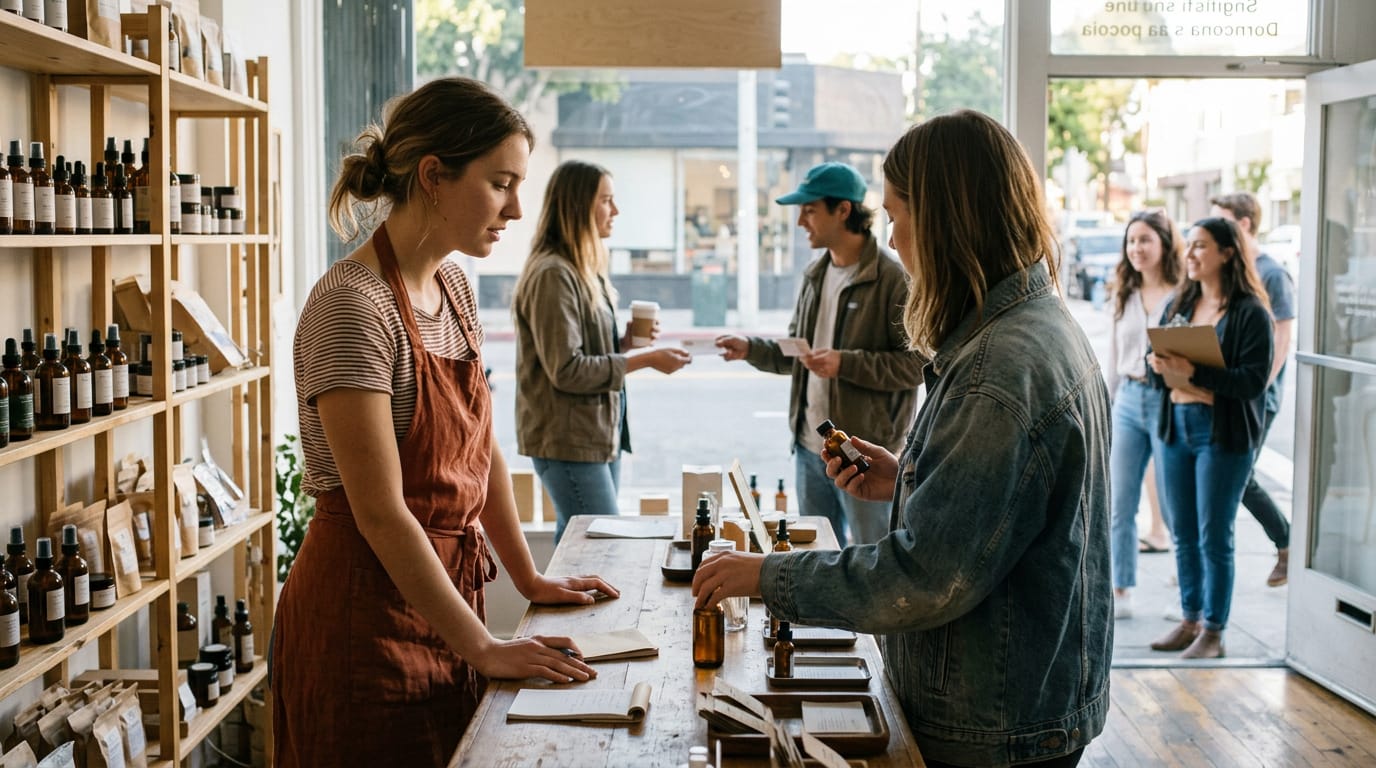
Most shifts follow the same arc:
- Arrival and check-in: You sign in, pick up your badge and product kit, and confirm your start time with the lead.
- Setup: You arrange the display, test any demo gear, and stock samples and sign-up forms.
- Active engagement: You greet people, answer questions, and point them to the offer while reading who’s ready to talk. Patience wins here.
- Breakdown: You pack up samples, return unused stock, and leave the space as you found it.
- Reporting: You log conversations, sign-ups, and recurring questions so the brand can learn from the day.
Skills to Look for in Ambassadors
A big following helps, but brands also look for people skills, real product understanding, and reliability.
The traits that make a strong ambassador
Strong ambassadors share a few traits:
- Communication and people skills. You answer questions and explain a product in plain language to people who are new to it.
- Product knowledge. You can explain what the product does, who it suits, and where it falls short.
- Enthusiasm and passion. Audiences can tell genuine excitement from scripted praise, so your interest has to be real.
- Reliability. You hit deadlines, post on schedule, and flag problems early.
- Adaptability. Briefs change and products launch, so you’ll need to roll with it.
- Physical stamina. Events, travel, and long shoot days take real energy, so you’ll need to keep up.
Think of a home-gym creator who’s used the same resistance bands for two years. When viewers ask about them, she answers in her next video, sharing what she likes and what she’d change. Her honest take does the selling.
How brands recruit and train ambassadors
Here’s how recruiting usually works:
- Selecting passionate people. Brands often start with creators who already talk about the category, since that enthusiasm is hard to train in.
- Product training. Ambassadors learn the features, key talking points, and what the brand would rather they avoid saying.
- Agency-managed teams. Some brands hand recruiting and training to an agency, which can mean one point of contact for briefs.
- Background checks. Some brands run them before putting someone in front of their customers.
How Do You Become a Brand Ambassador?
Most ambassadors are hired for a set program, either directly by the brand or through a staffing agency. Your route shapes your pay and your contract.
Hiring through an agency or directly
Staffing agencies recruit and train ambassadors for the brand, so people already know the product before their first shift. Hiring directly means the brand handles listings, screening, and training itself, which takes real time.
For programs across several markets, an agency is often more cost-effective, because one partner covers every location.
Yes, ambassadors get paid. How good that is depends more on the structure of the deal than on the title. Pay usually comes in one of three forms:
- Salary: a steady, predictable paycheck.
- Commission: pay tied to what you sell.
- Free product: a perk, not a paycheck.
Before you sign, check two terms closely. Exclusivity limits which competing brands you can work with during the program. Usage rights spell out who can use your photos or video, and for how long. Ask about both before you say yes.

Moving up from part-time ambassador work
Many ambassadors start part-time, working a few events a month. That’s a low-commitment way to learn how a brand runs. From there, the path can branch:
- Team lead or field manager: coordinating ambassadors and schedules in one region.
- Account manager: keeping the brand’s relationships with its partners on track.
- Brand marketing: planning campaigns and shaping how the brand shows up.
- Event management: running events from venue to staffing.
Consider a part-time ambassador who staffs a coffee brand’s weekend tastings. After a season of reliable shifts, she’s asked to coordinate the other ambassadors in her region, a natural first step toward field management.
Is a brand ambassador a good job? It can be, especially if you like people and don’t mind irregular event hours. It’s a door, not a destination.
Advocacy and Influencer Terms You’ll Hear
An influencer has an audience, a sponsorship is a paid deal, and a brand ambassador grows out of both.
How advocacy and word-of-mouth build trust
Brand advocacy is when people recommend a brand because they like it, and an advocate is that person. This includes employee advocacy and customer advocacy, when staff or buyers spread the word. Word-of-mouth is the same idea moving from person to person.
Authenticity and trust make it work, because people believe a recommendation that sounds like a real opinion, not a script.
Influencer tiers and creator partnerships
Brands sort creators into influencer tiers by audience size:
- Micro-influencers have focused, closely connected audiences.
- Nano-influencers are the smallest tier, often local or niche.
- Content creators are anyone making their own video, audio, or posts.
Product seeding and gifting both mean sending free product, usually with no contract attached. A reviewer who gets a free desk lamp, tests it in her spare bedroom, and posts an honest take might land a longer deal.
A creator who promotes the same brand for months is a long-term ambassador. A sponsorship buys one post; an ambassador deal builds over time.
The numbers that show ambassador impact
Five numbers do the work:
- Engagement rate: likes, comments, and shares versus how many saw the post.
- Conversion rate: the share of viewers who take the action you wanted.
- KPIs (key performance indicators): targets both sides agree on before launch.
- Earned media value: what the same exposure would’ve cost as paid ads.
- Brand lift: how much more people recognize or prefer the brand after a campaign.
Consider a streamer whose deal is measured by discount-code use. After a month, she’ll know how many viewers actually bought. Pick your metric before you post.
At heart, a brand ambassador is a long-term relationship. The role rewards creators who use a product, speak honestly about it, and show up consistently, and it asks brands to see that partner as more than a single placement.
Before you sign, check the scope, the payment, and the terms, and make sure the deal fits the gear and audience you already have.
Consistency earns the trust that a single post never can.
Questions
How do you become a brand ambassador?
Build a genuine connection with a brand and use its products so you can speak about them honestly. Develop communication skills, product knowledge, and a reliable track record, then apply to ambassador programs through brands or staffing agencies. Review the contract, especially payment, exclusivity, and usage rights, before signing.
Do ambassadors get paid well?
It depends on the deal structure, responsibilities, and hours. Ambassadors may receive a salary, commission, or free products, but free products are a perk rather than a paycheck; check the payment terms before accepting.
Can a CEO be a brand ambassador?
Yes. A CEO can be a brand ambassador, especially when they know the product and represent it honestly. Speaking about the brand as its leader can make the message especially direct.
Is a brand ambassador a good job?
It can be a good job if you enjoy working with people and are comfortable with irregular event hours. Roles may be part-time or event-based, and can lead to work in field management, account management, marketing, or event management.
What do you mean by brand ambassador?
A brand ambassador represents a company over an extended period, promoting its products through ongoing use and communication. Unlike a one-time sponsored post, an ambassador relationship develops over time.
Do ambassadors for a brand get paid?
Yes. Brand ambassadors may be paid through a salary or commission, though some receive free products instead. The amount and structure depend on the specific program and agreement.