How Do Influencers Make Money? A Complete Guide
How do influencers make money? Compare brand deals, affiliate links, and products, then learn to price partnerships and protect usage rights.


Chapters
In short
Influencers make money by using the trust they build with an audience to promote products, create content, and sell access or their own offerings. Common income streams include sponsored posts, affiliate commissions, platform ads and payouts, subscriptions, tips, live events, merchandise, books, and podcasts. Earnings vary with audience fit, niche, platform, and workload, so creators benefit from mixing income sources, choosing relevant partnerships, and managing rates, rights, and expenses like a business.
Picture a neighbor who starts posting weekend pancake recipes. Soon a flour brand asks her to try its mix, and a local café wants a sponsored video. Her hobby now pays.
That’s the core of how influencers make money: they turn an audience’s trust into income through brand partnerships, affiliate links, and their own products.
What each route pays depends on the audience, the niche, and how well the creator runs the business.
Here’s how each income stream works, what moves your rates, and how to price deals, protect your usage rights, and budget your gear like a business.
How Influencers Are Grouped and Make Money
Before you price a deal, you need to know what kind of influencer you are and who you’re reaching. Here’s how we break it down.
What makes someone an influencer
An influencer is someone whose recommendations shape what other people buy. Their audience trusts them, so followers pay attention when they promote a product, service, or lifestyle. That trust is the real asset.
It’s less about how many follow you and more about how much they trust you. Content creators count too: the podcaster, the streamer, the YouTuber filming in a spare bedroom.
Consider a home cook who films weeknight dinners for a few thousand followers. When she demos a cast iron skillet and viewers start asking where to buy it, a cookware brand pays her to feature it.
Influencer sizes and the niches they cover
Influencers are often grouped by follower count, from mega to nano:
- Mega influencers reach the largest audiences.
- Macro influencers have big followings with a broad focus.
- Micro influencers have smaller, more focused audiences.
- Nano influencers have the smallest audiences, often tight-knit.
Size isn’t the only way to sort them. Creators are also grouped by niche, the subject they keep returning to, such as:
- Beauty: makeup and skincare tutorials.
- Gaming: streams and game reviews.
- Travel: trips, destinations, and hotel stays.
- Pet influencers: creators whose animals take center stage, like a rescue dog’s training sessions.
Take a pet influencer with a loyal circle of dog owners. When she shows a harness she trusts, the brand that makes it reaches exactly the people who need it. Both size and niche tell a brand who you’re reaching, and that shapes what your work is worth.
The Main Ways Influencers Make Money
Most creators earn from several sources at once, and each one rewards a different kind of effort. Here’s how the main streams work.
Earning from ads on videos and blogs
Ads are the stream most creators notice first, and they follow your viewing numbers. When ads placed on videos run on your content, the platform shares part of that revenue with you.
Some programs pay per views or clicks, while ad space on blogs lets you rent banner space on your own site. Consider a home cook whose video ads and recipe blog sidebar together start covering her weekly groceries.
Working with brands on sponsored posts
A sponsored post is a paid promotional post you create for a brand. Brands pay for single posts, and earnings vary with following, so a bigger audience usually means bigger offers. Tag every paid post with #ad so viewers know it’s sponsored content.
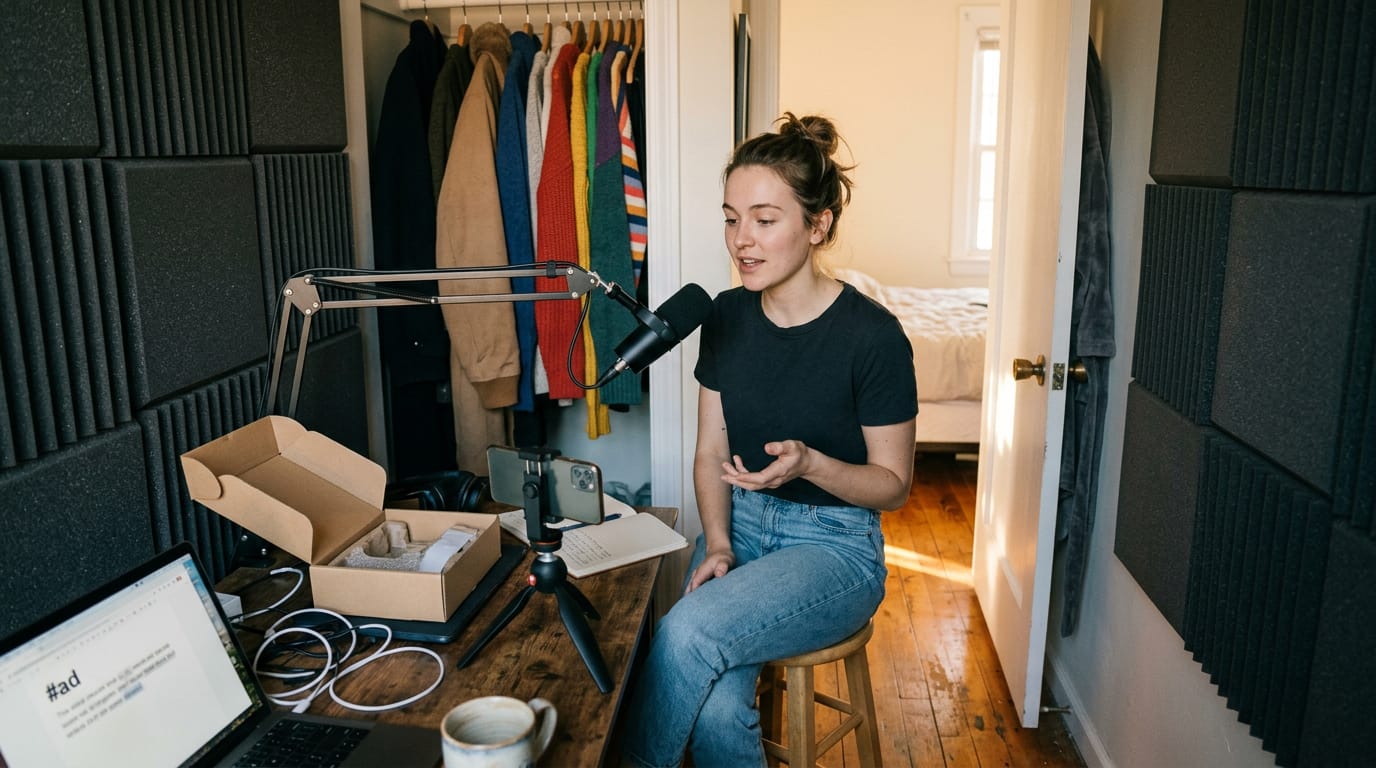
Picture a podcaster who gets paid to test a mic arm and films it from her closet studio, adding #ad to the caption. Label it before viewers have to ask.
Earning commissions with links and promo codes
An affiliate link is a tracked link to a product. When someone buys through it, you earn a commission, a cut of that sale. Some brands hand out a unique link or brand code instead, which viewers type in at checkout.
Think of a home-office creator who shares the desk lamp she uses on every call. Each purchase from her followers earns her a commission, and because she only recommends gear she actually uses, it reads like a tip rather than an ad.
Small sales add up, but steady sales beat one lucky launch.
Selling exclusive content to subscribers
Some creators put extras behind a paywall, so only paying fans can see them. This usually takes one of four forms:
- Paywalled extra content. Longer tutorials, behind-the-scenes footage, or early access.
- Follower subscriptions. A recurring fee for closer access and perks.
- Premium subscription-only accounts. A members-only space for your most committed viewers.
- Ongoing creator support. Monthly backing from fans who want your work to continue.
A lighting tutor might post free basic setups and keep full room walkthroughs for subscribers. Free videos attract viewers, but subscriptions bring recurring support.
Collecting tips, gifts and creator fund payouts
Many live platforms use platform tokens for tipping, coins viewers buy and send to creators they enjoy. Direct tip features let fans send money straight to you, and a creator fund pays out based on how your content performs.
The TikTok and YouTube Shorts funds come with a catch.
According to Digiday’s breakdown of how every major platform pays creators, both platforms require creators to meet platform-specific eligibility thresholds before they can earn through monetization programs.
For TikTok, that’s 1,000 followers for Live and video gifts and 10,000 for the Creator Rewards Program. You have to qualify before you can collect.
Making money from live streams and events
Live streams open a few doors at once. A brand might sponsor a branded room, a themed chat space built around its product, or pay for a shoutout where you name it on air.
A sponsor can also fund a co-host who joins your stream, and ticketed live events let viewers pay for a workshop, Q&A, or meetup. Picture a streamer who lands a lighting brand for one sponsored session, then sells tickets to a live setup workshop.
The sponsor pays for attention in the moment, while ticket buyers pay for access.
Other income from books, merch and podcasts
Creators often branch out beyond their feed:
- Book deals. A publisher may pay you to write a book, and sales can keep adding up.
- Merchandise. Shirts, mugs, or prints with your logo sell to loyal fans.
- Podcasts. A show of your own can bring in sponsorships, ads, or subscriptions.
You don’t need every stream on day one.
What Shapes Influencer Pay
Two creators with the same follower count can earn very different amounts.
How much income does an influencer make?
There’s no set salary, so income swings widely. Several factors shape what you earn:
- Follower count. Bigger audiences usually command higher rates, but tiers aren’t fixed prices. It’s less about how many follow you and more about how much they trust you.
- Platform used. Each platform’s audience and shopping tools shape what brands pay.
- Content type. A detailed tutorial takes more work than a quick mention, so brands price it differently.
- Brand affiliation. Sponsorships and affiliate commissions pay differently, and who you partner with shapes your rates.
Take a streamer with a small, loyal chat. One sponsored mention can beat a bigger channel’s shout-out, because viewers trust her pick.
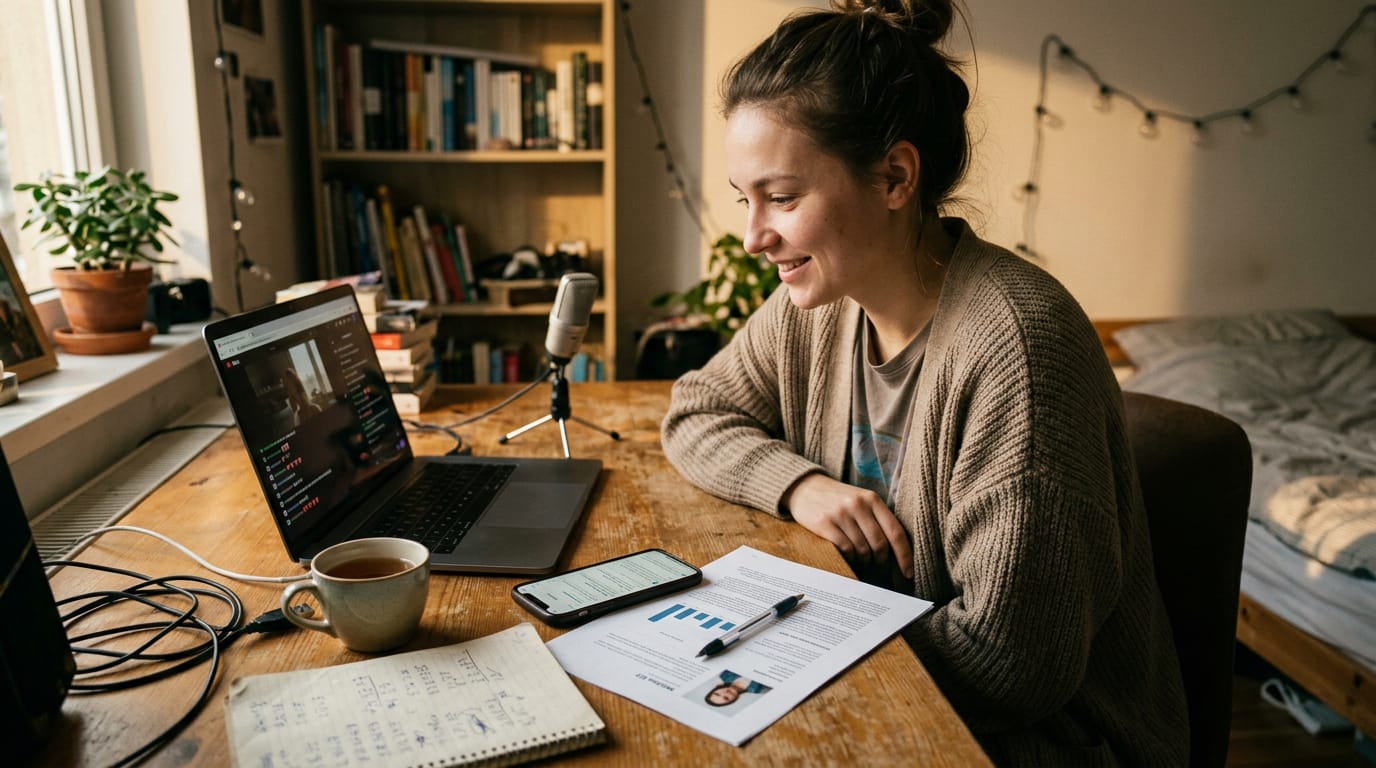
Setting rates is easier with a media kit, a short document of your audience and past work.
Choosing platforms that pay the most
Many creators prioritize the best-paying platform, but the real question is where your audience already spends its time.
Instagram and Pinterest offer ecommerce tools (ways to buy straight from the app), such as shoppable posts and product pins. A home decor creator whose pins link to the lamps she features reaches shoppers already in buying mode.
Live streams and paid subscriptions let loyal viewers pay you directly.
Mixing income streams or relying on one
Mixing revenue channels spreads the risk. A podcaster with one steady sponsor and a paid tier for bonus episodes stays covered when the sponsor pauses.
Sticking with one lets you go deep rather than wide, but one shift, like a platform rule change, hits all your income at once. That’s a lot riding on one place.
Starting Out and Running an Influencer Business
Before any money comes in, you need a setup and a plan. Here’s what we’d start with, then how to run it like a business.
What you need to get started
You only need three things:
- Camera: your phone is enough to start, so upgrade only once you know what you shoot.
- Account: the home base where your videos live and your audience finds you.
- Topic: the subject you’ll keep returning to, so viewers know why to follow.
Anyone can try. You don’t need film training or a big following to post your first video.
When it comes to budget, put light before camera. It’s less about which camera you own and more about where the light falls on your face. Think of a home cook filming recipes on a phone propped against a cereal box.
Her food looked flat until she moved the stand beside the kitchen window. Fix the light first.
Handling the workload and business setup
Once you’re posting, you’ll handle four jobs yourself at first:
- Planning: pick your next few topics and sketch each video.
- Filming: shoot in batches while your setup stays the same.
- Editing: trim footage to the strongest moments and add captions.
- Posting: schedule uploads so viewers know when to expect you.
Engaging with your audience is part of the job too. Replying to comments and live chat tells viewers someone is listening, and those conversations often spark your next video.
When the workload outgrows you, hire help. An editor can take the cuts, and a manager can handle brand inquiries.
As income grows, many creators set up a company so deals and taxes stay separate from personal life. Rules vary by location, so ask an accountant or lawyer before you choose a structure.
What Influencers Mean for Brands
Brands work with influencers to reach new people and to borrow the trust a creator has already built.
Working with influencers to build awareness
A creator’s audience can put a product in front of a large group of viewers in a single video. That exposure builds brand awareness, meaning how easily people recognize and remember a company.
The goal is less about how many people see a post and more about who is watching.
Choosing the right creators matters most. Look for:
- Audience fit: viewers who resemble the people the brand wants to reach.
- Content style: a product that fits naturally into the videos they already make.
- Past work: promotions that felt natural, not forced.
Consider a yoga instructor who films classes from her living room. When a lighting brand sends her a panel, the viewers who already trust her are the ones most likely to listen.

Choosing partners carefully to stay authentic
Every sponsored video also shapes how your audience sees you. Choosing your own deals gives you more creative control, meaning how much say you have over the script, the angle, and how the product appears on screen.
Being selective means fewer partnerships that fit, not more that don’t.
Authenticity drives engagement. A study in the Journal of Promotion Management found that authenticity significantly enhances consumer engagement with endorsed brands.
Trust does the heavy lifting. Think of a home-office podcaster who only accepts sponsorships for gear she actually uses on air, and listeners keep tuning in because the ad reads sound like her.
Rules, Downsides and Risks to Know
Some rules protect your audience and some protect your business. Read the usage rights clause in any contract closely, since it controls how long a brand can reuse your videos.
Disclosing paid posts, giveaways and gifts
Every paid partnership needs a clear flag. Put it in the first line of the caption and say it out loud early in the video, not buried in a hashtag pile.
- Competitions: If a giveaway asks viewers to follow or enter, name the sponsor and post the rules.
- Discount codes: Name the brand and say if you earn a commission.
- Gifted products: Even if you were never paid, say you received the item.
Take a podcaster who films in a converted closet and gets a free mic from a brand she already uses. She says it was sent to her and explains why she likes it, so her listeners get an honest recommendation.
The hard parts of being an influencer
The fun part is making videos. The harder part is running the business behind them.
- Pressure to be always on: Audiences expect frequent posts and quick replies, and the work can spill into evenings.
- Stress and burnout: Constant deadlines and comparison wear people down, so schedule real days off.
- Scandal and lost followers: One misstep or an old post can cost you followers fast.
- Self-employment taxes and expenses: You’re your own employer, so set aside money for self-employment tax and log every business cost. Keep receipts.
- Luck involved: Platform changes and shifting trends are out of your hands, so a great month doesn’t guarantee the next.
- Gear as a deductible business expense: Equipment you use for content can often be written off, as long as you keep the receipt. Confirm the details with a tax professional.
Influencer income isn’t a single paycheck. It’s a mix of brand deals, affiliate sales, and products of your own, and what you earn depends on your audience, your niche, and how well you run the business side.
Pricing deals on purpose, protecting the usage rights you hand over, and budgeting gear the way you’d budget any business expense all push your income in the right direction.
The audience gets you noticed, but the business side is what gets you paid.
References
Questions
What is the definition of a social media influencer?
A social media influencer is someone whose recommendations shape what other people buy because their audience trusts them. Influencers may promote products, services, or lifestyles through content on social platforms.
What are the four types of influencers?
The four common influencer types by audience size are mega, macro, micro, and nano influencers. They range from the largest audiences to the smallest, with nano influencers often having close-knit communities.
How much income does an influencer make?
There is no set influencer salary, and income varies widely. Earnings depend on factors such as audience size and trust, platform, content type, brand partnerships, and other revenue streams like affiliate commissions or subscriptions.