How to Get Brand Sponsorship: A Complete Guide
How to get brand sponsorship takes preparation: build a pitch, vet brands, negotiate, and deliver. Find out typical pay and follower counts.
 By Tessa MorelandUpdated 13 min read
Chapters
In short
A brand sponsorship is a paid or in-kind partnership in which a company supports your content and you promote its product or message. To get one, prepare clear audience data, examples of your work, and a proposal with specific deliverables and rates, then approach brands that genuinely fit your audience and explain how the partnership can meet their goals. Agree on payment, timelines, usage rights, and success measures in writing, disclose the relationship, and deliver reliably to build trust and encourage future deals.
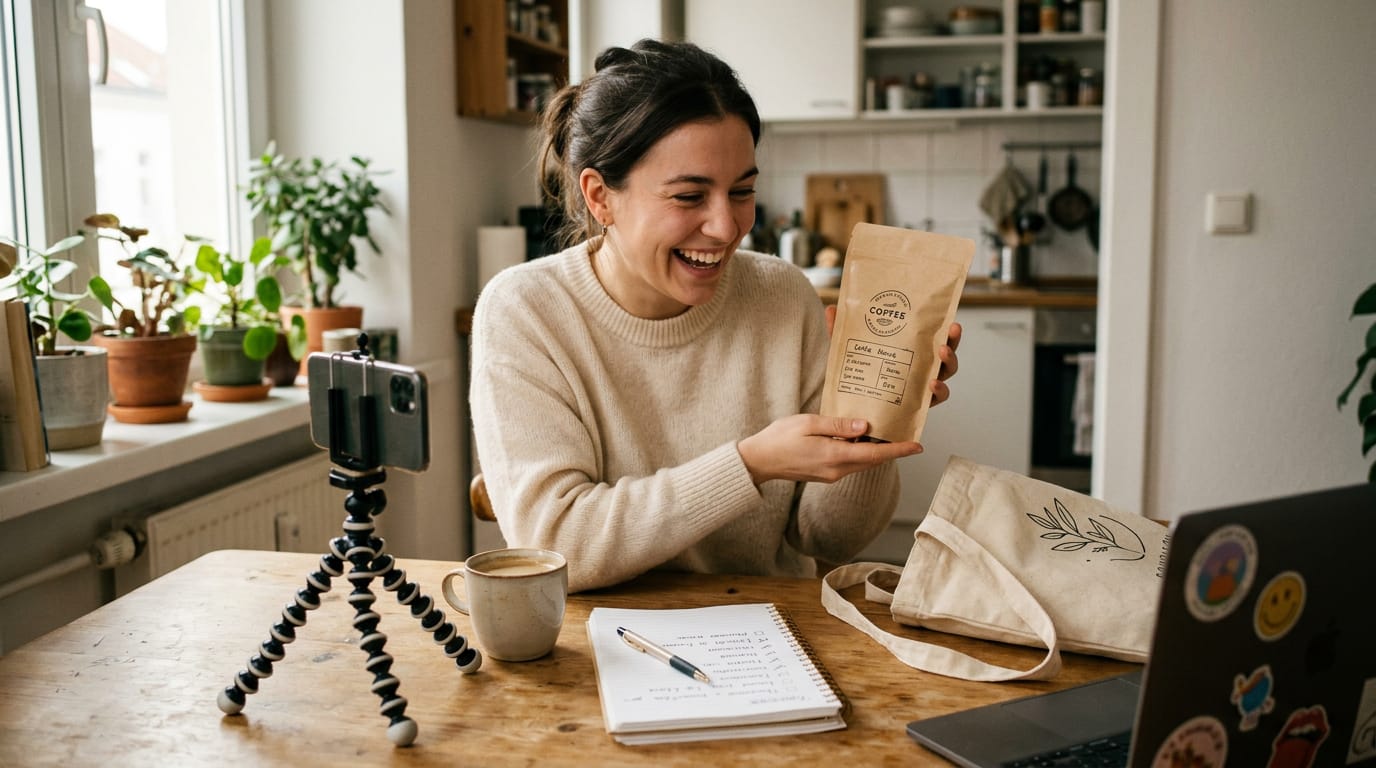
Picture this: you’ve just wrapped a video with clean lighting and crisp audio, and a brand you already love offers to pay you to feature it.
That’s a brand sponsorship: a paid partnership where a company pays you to feature its product or message in your content.
In this guide, we’ll walk through the whole path, from getting ready and finding brands to pitching, negotiating, and delivering.
We’ll answer the big questions too, like how many followers you need and what sponsors typically pay, and show you how your own on-camera quality can strengthen your pitch.
How to Get Brand Sponsorship, Starting Here
Before you pitch anyone, it helps to know what a sponsorship is, what it gives you, and what it asks of your audience. Here’s the groundwork in three parts.
What a sponsorship deal actually is
A sponsorship is when a brand supports your content with money, products, or services, and you promote the brand in return. It works best when both sides come out ahead.
It’s not the same as advertising. An ad buys a spot in front of viewers, while a sponsorship buys into your relationship with them. A contract spells out what you’ll deliver and what the brand pays.
Does it cost money to be a sponsor? Yes, but the brand pays it, not you. The company is buying access to your audience.
What sponsorships give creators
Sponsorships offer more than a check. They can give you a stable income stream, so you plan around a deal instead of hoping one good month carries you. Sponsorship is one piece of the bigger picture of how influencers make money.
A brand you trust can add credibility and authority to your channel, widen your audience reach, and build brand awareness for the company, too.
You don’t need a huge following to land one. Picture a podcaster with a modest but loyal audience. A microphone company wants to reach listeners who care about sound, and she gets paid for an episode she’d record anyway.
Keeping your audience’s interests first
Your audience comes first, so build every deal around them:
- Give viewers most of the value. The sponsored part should teach, entertain, or solve a problem, not just read a script.
- Avoid poor-fit sponsors. A product your audience doesn’t care about can cost you more trust than it pays.
- Protect audience trust. Disclose sponsored content clearly, and only recommend products you’d actually use.
Trust is why brands want you in the first place. Guard it.
What Are the Four Types of Sponsorships?
There are four main types of sponsorship: cash and in-kind deals, sponsored posts and affiliate deals, live event sponsorships, and sponsorships for blogs, newsletters, and podcasts. Each pays you differently.
Cash deals compared with in-kind perks
A cash deal pays money for promotion, while an in-kind perk pays in goods or experiences:
- Cash payment for promotion: A fee for featuring the product.
- Free products or services: Gear or a service at no charge for your mention.
- Experiences like hotel stays: A stay that covers your costs while you create.
Non-money deals can be more valuable than they look. A course creator who gets a free light kit for one lesson mention skips a purchase she’d have made anyway.
Sponsored posts and affiliate deals
- Paid videos and posts: You’re paid for making the content.
- Commission via affiliate links: You earn a percentage of each sale made through your link.
- Promo codes for audience: Viewers get a discount, and the sales are credited to you.
Think of a wedding videographer who films a sponsored post about a camera bag and adds her affiliate link below it. The fee pays for the making, and the link pays for the selling.
When brands sponsor live events
The brand backs the room, not just one post:
- Creator invited to host or speak: The brand brings you on stage.
- Brands fund your event: The sponsor covers the costs of an event you run.
- Branding and promotional opportunities: Logos and mentions put the sponsor in front of the crowd.
- Sponsors provide talks, meals, and lodging: The practical side is taken care of for you.
A streamer speaking at a local meetup has her hotel covered and the sponsor’s name on the signage. She shows up to teach, and the logistics are handled.
How sponsors fit blogs, newsletters, and podcasts
- Blog banner ads: A sponsor’s graphic appears on your site.
- Newsletter issue sponsors: A brand sponsors one issue of your newsletter.
- Podcast episode or season sponsors: A brand backs one episode or a full season.
- Social media series: A brand sponsors a recurring run of your posts.
- Product creation via in-kind: A brand supplies gear you use to make something new, like a setup guide.
Know the type, and you’ll know what you’re really agreeing to.
Get Yourself Ready Before You Pitch
Brands want a partner they can trust, and that trust starts before your first email. Here’s the groundwork to lay first.
Set goals and think like a business
Start with your sponsorship goals: what a deal should do for you, not just how much it pays. List what you offer and what you need, like a fair fee and a realistic deadline.
Finally, think in dollars and cents by building a rate card, a simple list of what you charge per video based on the hours and gear each one takes. Know your numbers.
Sharpen your personal brand and niche
Your brand identity is what you care about, how you sound, and what you won’t trade away. Your niche is the topic you own, and your demographic is the age, location, and interests of your viewers.
A podcaster on budget home workouts, for example, makes it obvious that a fitness-equipment company’s buyers are already listening.
Keep banners, thumbnails, and your on-camera look consistent so you read as one professional brand. Use talking points as a guide, not a script. Authentic beats artificial.
Knowing and growing your audience
Track your follower counts and traffic (video and page views) in one simple sheet each month, so you can answer a sponsor in minutes. Then learn your audience demographics and psychographics, meaning the interests and values behind what viewers buy.
Post on a schedule you can keep, since consistency builds more trust than a burst of uploads. Reply to comments, because that’s the community a sponsor is buying into. If you want more reach, paid social means putting ad money behind your posts.
Proof that you’re worth sponsoring
Gather testimonials, which are short quotes from viewers or past partners, and a case study, a brief write-up of one collaboration’s results.
Pull your analytics (the stats your platform reports, like watch time and link clicks), and show a steady climb rather than one lucky spike. Proof beats promises.
Consider a portrait photographer who tracked the bookings from a promo for a local print shop. She can show the next brand exactly what it delivered.
For video, add a clip of a sponsored segment you’ve already made so a brand sees your production quality up front.
How many followers do you need to get a sponsor?
Short answer: a large following isn’t required. Brands often care less about how many people follow you and more about how they respond.
Small creators focus on creativity. A distinct voice and engaged viewers can win deals that a bigger, generic channel misses.
Affiliate programs build sales proof. An affiliate program pays a commission on sales made through your tracked link.
A home-office coach with a modest following who promotes a desk-lamp brand’s tracked link can show which videos drove sales, and that record makes a paid deal easier to say yes to.
Where to Find and Vet Brands
Before you pitch, you need a shortlist of fitting brands, a real contact at each one, and a sense of which platforms are worth it.
Spotting brands that fit your niche
Look for brand fit rather than follower count: a company whose products suit what your viewers already care about.
- Match niche, values, and audience. Would viewers see it as a natural pick?
- Shortlist relevant brands. Keep a handful you’d actually use.
- Check existing sponsorships. See who the brand already works with.
- Avoid irrelevant sponsors. A mismatched deal confuses viewers and wastes your pitch.
Think of a cooking YouTuber whose sponsors are a cookware brand and a spice subscription, not a credit card. Nobody feels ambushed.
Where to find the right brand contacts
Start with where your customers already shop, such as the brands in your own setup. Next, mine your past brand contacts, since anyone who has sent you product is already a warm lead.
Ask friends and fellow creators which brands they’ve worked with, and use LinkedIn to find marketing contacts. Aim for the decision-maker: the partnerships manager who can say yes, not the generic contact form.
To get a big brand to sponsor you, a warm introduction beats a cold pitch, since cold emails often get lost. Consider a podcaster who lands a small affiliate deal first, then pitches the partnerships manager with those results.
Using marketplaces and affiliate networks
Platforms like BrandConnect, along with Shopify Collabs and the Kit Sponsor Network, are worth a look. Check whether shortlisted brands use them and whether they take creators your size.
Affiliate networks work differently: instead of a flat fee, you earn a commission on sales you refer through a tracked link. It’s a low-pressure way to test a brand.
Make Your Pitch Materials and Reach Out
Brands decide fast, so your materials should answer their questions up front.
What goes into a sponsorship proposal
A sponsorship proposal lays out what you’ll deliver and what it costs:
- Business overview. Who you are and what your channel covers.
- Audience demographics and reach. Who watches and how many you reach.
- Deliverables and inclusions. What you’ll make and whether the brand can reuse it.
- Rates or ask. Your fee or a clear range.
- Supporting data. Views, watch time, and engagement that back up your claims.
- Contact info and call to action. Your email and one clear next step.
Focus on what the brand gets, not what you’ve built.
Putting together your media kit
Your media kit is a snapshot a brand can scan in seconds. Cover your creator and audience info, channel analytics that match your proposal, past collaborations, and testimonials from partners.
Add a reel of your best footage, a short highlight shot in the same setup you’d use for sponsored work.
A podcaster filming in a converted closet has a reel with clean, flattering light, so a home-goods brand can picture her sponsored read looking just as polished. Light is the first impression.
Writing a pitch brands want to read
Make your pitch personal: mention a recent campaign or a product you use, and explain why you love the brand.
Then offer creative ideas instead of asking what they’d like. A home-office streamer pitching a desk lamp company might propose a late-night stream with the lamp as her main light, so the brand sees exactly how its product looks on camera.
End with a clear call to action and attach your media kit or proposal. Make it easy to say yes rather than maybe.
Reaching brands and following up
- Email and direct messages. Start with email and use direct messages (DMs) as a backup.
- Cold pitch dream brands. Reach out to brands you love, even without a prior contact. That’s a cold pitch, and it’s normal.
- Interact on social first. Comment thoughtfully and share their posts before you pitch.
- Follow up multiple times. Brands are busy, so polite follow-ups a week or so apart are normal.
- Face-to-face meeting. A short in-person chat builds trust fast.
Good materials open the door. Polite persistence keeps it open.
Negotiating and Closing the Deal
Once a brand says it’s interested, the real work is agreeing on goals, terms, and payment.
Learning what the brand wants to achieve
Before you name a price, ask what the campaign should achieve. A cooking creator, for example, should show how viewers will click through to the brand’s site, since that’s what the brand is paying for.
Tailor your offer to that goal and price for the results, not the posting. A 2022 University of Valladolid case study argues that budgets should be proportional to expected results. Then define success metrics, like sign-ups.
If a brand quotes a CPM (cost per mille, or price per thousand views), compare it with typical rates in your niche before you counter.
What your agreement should spell out
Friendly emails and a verbal yes feel like enough until a campaign is live and the details start to blur. Get it in writing. Your agreement should cover:
- Compensation and deliverables: what you’re paid and what you’ll make, such as two short clips.
- Timelines and duration: when each piece is due and how long the campaign runs.
- Payment terms: when invoices are due and how you’ll be paid.
- KPIs (key performance indicators, the numbers you’ll track): which results count and how they’re measured.
- Legal review: have someone who knows contracts read it before you sign.
- Usage rights and exclusivity: how long the brand can reuse your video and whether you can work with competitors.
Ways to get paid for your work
Recurring payments fit long-term partnerships, with regular payouts across the contract. A lump sum is one payment for one campaign. For in-kind delivery, meaning product or services instead of cash, write its value into the agreement. Long-term deals like this often lead to a brand ambassador role, so know what that role involves.
Delivering on Your Sponsorship Deals
Signing is only the start. Delivery decides whether a brand comes back.
Going above and beyond for brands
- High-quality content: Match your usual audio and light so the segment doesn’t feel dropped in.
- Exceed brand expectations: Read the brief twice, then add one useful extra.
- Promote across platforms: Share the integration on clips and social posts, not just the main video.
- Under-promise, over-deliver: Commit to what you can comfortably hit, then go a step further.
- Integrate ad reads into video: Work the spoken product mention (the ad read) into your own words, like a real recommendation.
Think of a podcaster whose sponsored lamp segment fits right into her show. It’s about better content, not more of it.
Dealing with rejection and overpromising
- Don’t sell what you can’t fulfill: If a brand wants three videos in two weeks you can’t make, say so before you sign.
- Handle rejection resiliently: A no isn’t a verdict on you, so thank the brand and ask for feedback.
- Keep moving to the next brand: Keep a prospect list so one no doesn’t stall you.
Common mistakes and the FTC disclosure rule
- Vague pitches: Saying you’d love to work together doesn’t say what you’ll make or charge.
- Neglecting personal brand: Mismatched thumbnails and an empty bio make a brand wonder what it’s buying.
- Poor audience alignment: A fitness coach pitching a meal-kit brand to home-office fans is an obvious mismatch.
- FTC disclosure requirement: The Federal Trade Commission (FTC) requires creators to disclose material connections with brands when they endorse products. According to the FTC Endorsement Guides, a connection viewers wouldn’t expect and that could sway trust must be disclosed clearly and conspicuously, meaning easy to spot.
Other Ways to Get Sponsored
Not every sponsorship starts with a cold pitch. These three routes let your audience and space do some of the work.
Running contests and giveaways
A giveaway featuring a sponsor’s product is one of the simplest ways to bring a brand in.
According to a digital marketing paper on customer acquisition for business-to-consumer start-ups, a giveaway like this can help a creator grow their email list, since entrants must provide an email to join.
For example, a podcast host giving away a sponsor’s studio mic collects entries from listeners who already care about sound. It’s less about what you give away and more about who signs up.
The sponsor supplies the prize, so it costs you nothing out of pocket.
Crowdfunding from everyday supporters
Crowdfunding lets everyday viewers become sponsors by backing a project you care about. Think of a home-studio creator saving for a better key light who shares a campaign with listeners and watches small pledges add up.
Supporters back your project, so give them a goal they can picture, like finishing the lighting upgrade in your room. They’re backing the goal more than the creator, and a clear finish line is an easy yes.
Renting out sponsor packages on your site
If you run a website or podcast, you can rent out space to sponsors. A sponsor package is a bundle of placements, like a banner on your site or a spot in your episodes.
For example, a portrait photographer with a lighting tutorial page can offer a camera-gear brand a featured spot beside it, since those readers are already thinking about gear. Build each package around what viewers need, not what you have left over.
Landing a sponsorship comes down to preparation, finding brands that truly fit your audience, and pitching with a clear understanding of their goals.
Your production quality helps too, since it shows a brand exactly how its product will look in your videos.
Delivering well matters just as much as landing the deal. Hit your deadlines, follow the brief, and weave the product in naturally, and the next conversation gets easier. Your craft opens the door, and your follow-through keeps it open.
References
- 16 CFR Part 255 (2023 revision): FTC Endorsement Guides (16 — hellowarrant.com (2026)
- Los influencers: el nuevo medio rentable para las marcas. Análisis de un caso práctico. “Recupera eso que nos mueve”. Aquarius (2022) — uvadoc.uva.es (2023)
- Digital Marketing: Developing a Customer Acquisition Strategy for a B2C Start-up Company — theseus.fi (2020)
Questions
What are the four types of sponsorships?
The four main types are cash and in-kind deals, sponsored posts and affiliate deals, live event sponsorships, and sponsorships for blogs, newsletters, and podcasts. They can involve direct payment, products or services, commissions, event support, or sponsored placements.
How to get big brands to sponsor you?
To get a big brand to sponsor you, show a strong fit between its products and your audience, then pitch a specific campaign idea backed by audience data and examples of your work. A warm introduction can help, so consider building a relationship through a smaller partnership or affiliate deal and sharing the results with the brand’s partnerships manager.
How many followers do you need to get a sponsor?
There’s no set follower minimum. Brands often value audience engagement, niche fit, and proof that your content can drive results more than a large follower count.
Does it cost money to be a sponsor?
Yes, sponsorships cost the sponsor money or other resources, but you do not pay to be a sponsor. A brand may provide cash, products, services, or experiences in exchange for promotion.
Sources
- Los influencers: el nuevo medio rentable para las marcas. Análisis de un caso práctico. "Recupera eso que nos mueve". Aquarius (2022), uvadoc.uva.es,
- 16 CFR Part 255 (2023 revision): FTC Endorsement Guides (16, hellowarrant.com,
- Digital Marketing: Developing a Customer Acquisition Strategy for a B2C Start-up Company, theseus.fi,