What Is Low Key Lighting Film and How Does It Actually Work?
Low key lighting film creates tense scenes with controlled shadows. Learn light ratios, avoid setup mistakes, and recreate the look in a bedroom or home office.
Chapters
In short
Low-key lighting in film is a high-contrast style where most of the frame stays in deep shadow while selective light draws attention to a subject or detail. It relies on a strong, motivated key, minimal fill, controlled spill, and deliberate exposure, with enough shadow detail to avoid a muddy or crushed image. The result is a focused, dramatic mood that suits crime, mystery, and horror, but can hide important details.
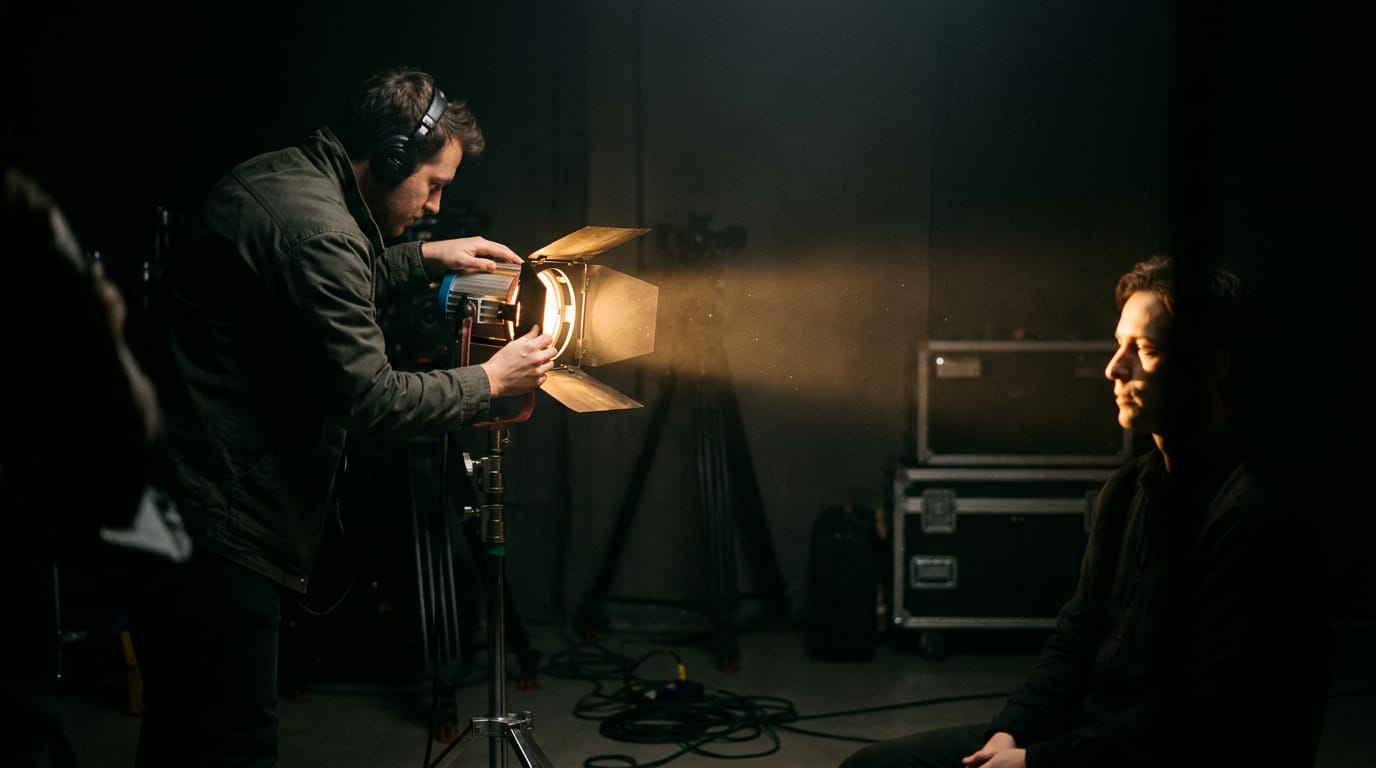
Think about the last time you watched a scene where a character sits in a dark room, with just a sliver of light cutting across one cheek. That tense, moody look is low-key lighting at work.
In plain terms, most of the frame falls into shadow and only a few key areas are lit, so the viewer’s eye goes exactly where the filmmaker wants it.
This guide covers what low-key lighting is, how to set up your lights and ratios, which genres lean on it, and the mistakes that trip people up.
You’ll also find camera exposure and editing tips, plus budget-friendly ways to pull the look off in a bedroom or home office.
Understanding Low Key Lighting Film
Low-key lighting is the moody look people picture when they think of dramatic film, and it’s easier to pull off in a spare room than you’d expect.
Why low key lighting is about shaped shadows
Low-key lighting is a high-contrast setup where deep shadow dominates the frame. You light only what matters, like a face or a product, and let everything else fall into darkness. Few midtones or whites survive, so the picture feels heavy and focused.
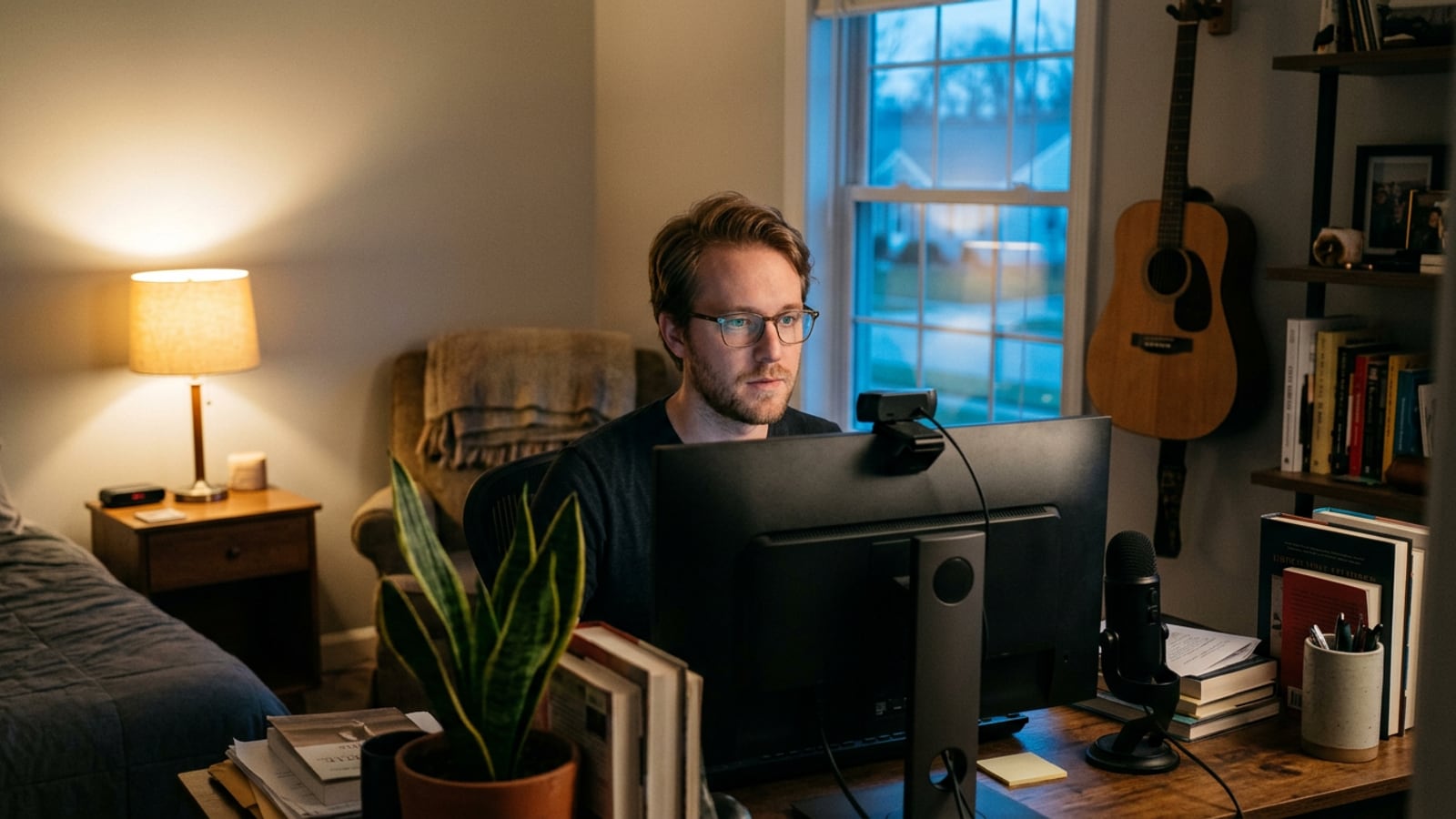
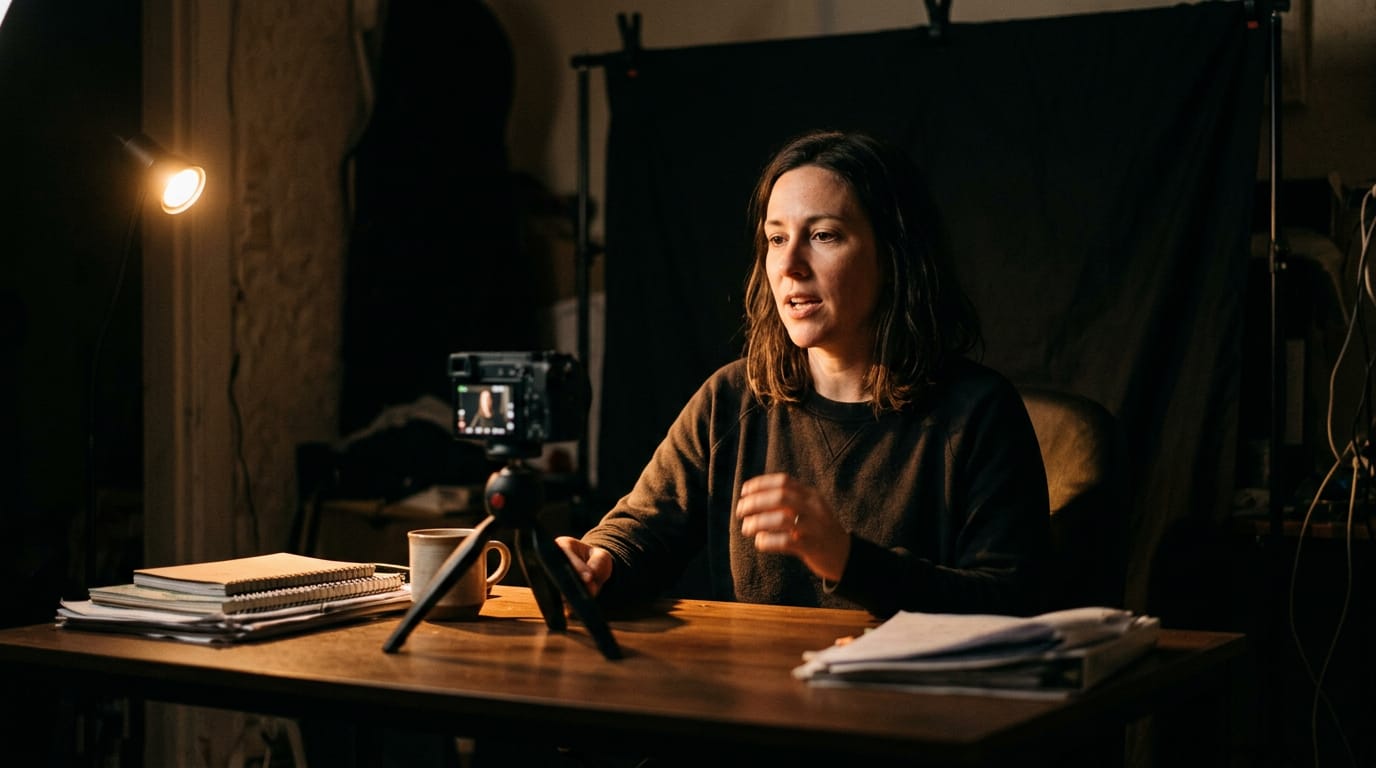
Picture a podcaster filming in her bedroom after dark, with one lamp on her cheekbone and the rest of the room gone. The shadow is doing the storytelling, not just hiding a messy background.
The darkness is shaped, not just underexposed. Underexposing everything gives you mud; shaping it gives you mood.
How low key differs from high key lighting
Low key is the opposite of high-key lighting, which is bright and even, with shadows softened until they nearly vanish. Low-key leans into contrast instead, so the lit parts stand out against the dark.
Chiaroscuro, cameo light, and other related terms
Chiaroscuro describes strong light and shadow that models a face or object so it looks three-dimensional. Its light/dark split also carries moral weight, with light often reading as good and shadow as bad.
Cameo lighting pushes this further: one small pool of light on the subject erases the room around them. A course creator with a single key on her face and a black backdrop behind her is a clean example.
Hard light is a quality, not a ratio: it comes from a small source and gives crisp edges, so don’t confuse it with how much contrast you have.
Setting up Your Lights and Ratios
Your lights do most of the work in low-key. Get the balance and the spill right, and the mood follows.
Getting the key to fill ratio right
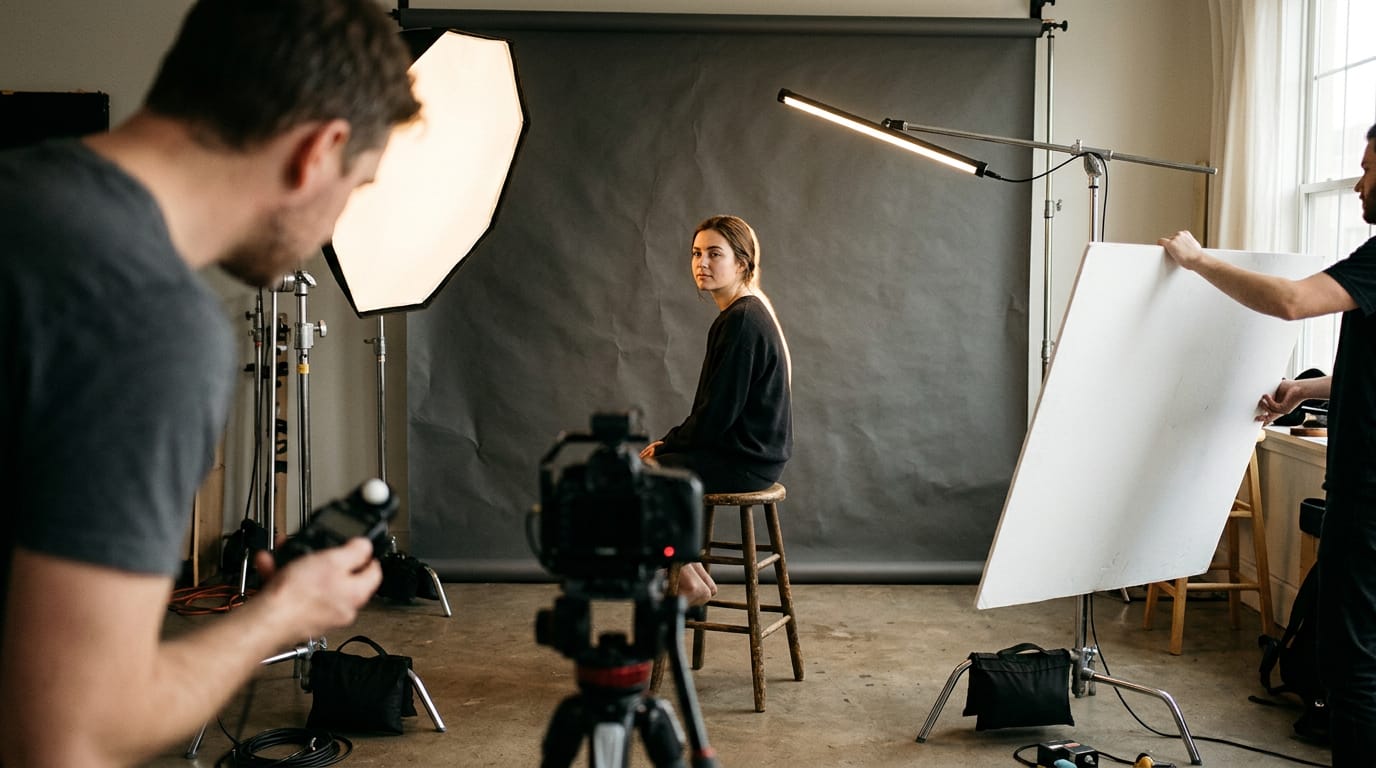
Low-key lighting depends on a powerful motivated key (your main light, placed where it has a reason to be) and minimal fill (the light that softens shadows).
As a study of Hollywood horror films puts it, “Low-key lighting is delivered by expanding the intensity of the key light comparative with the fill.” Let the fill sit several stops down, where a stop is a doubling or halving of light.
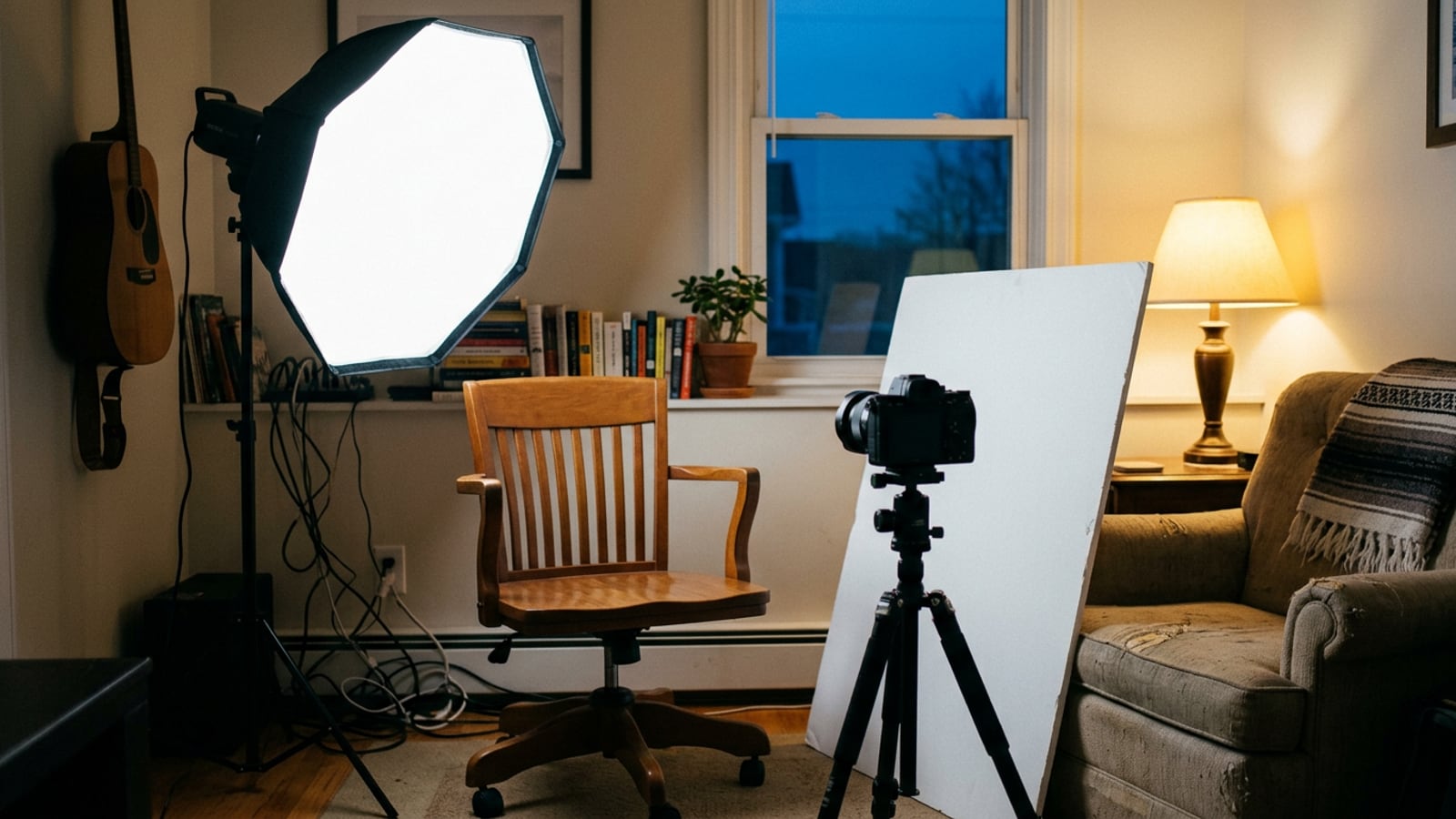
A common starting point is an 8:1 ratio, meaning the key is eight times brighter than the fill. Only have one light? One dimmable key lamp can do the job. Dim it, and let the shadows be shadows.
Keeping stray light and spill under control
Spill is light you didn’t mean to add. Picture a podcaster in a converted closet who wants one side of her face in shadow.
She uses black flags and black wrap to keep the lamp off the walls, and barn doors and gobos (cutouts that shape the beam) to aim it.
She blocks the window with a blanket and keeps the background dark, since a bright wall bounces light right back into the shadows. For a cheap trick, black foam board works as negative fill, pulling light out of the shadow side.
Choosing hard or soft light
Hard light gives sharp shadows, which suits a bold, graphic look. A soft source can work if you isolate it so it doesn’t wash over the whole room. A large soft source can still be low-key, as long as the fill stays weak. Shadows are the point.
Picking the right color temperature
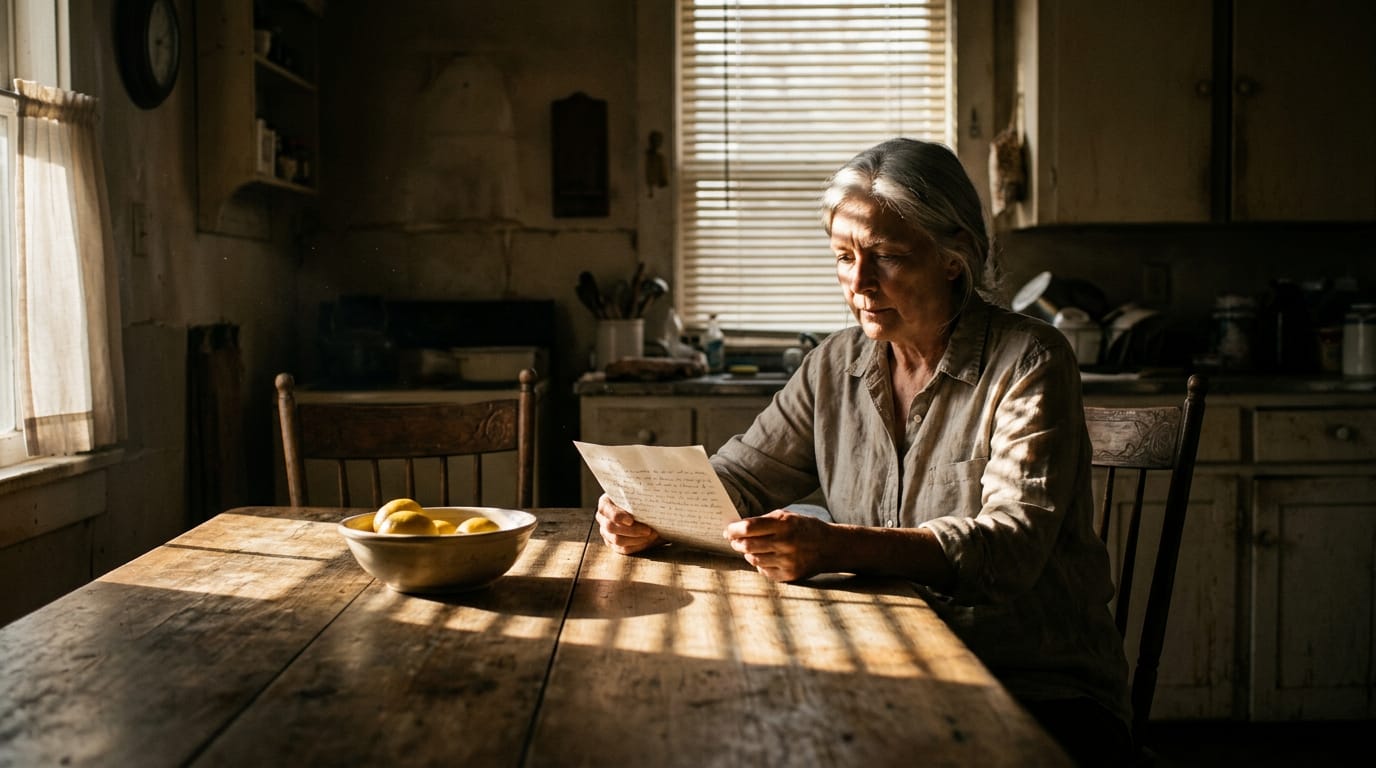
Tungsten bulbs in a dark room give a warm, amber glow that feels cozy and dramatic. For contrast, try a single cool accent: one slash of blue light on the edge of the subject. Expose for the key, not the room.
Open up too far and the shadows go gray and muddy, so check your monitor and keep some detail in the dark side. In post, pull the shadows down slightly to deepen the mood.
Which Genres Call for Low Key Lighting
Some stories live in the dark, and the lighting should tell viewers so before anyone speaks.
Genres where low key lighting shines
Crime and mystery lean on low key lighting (mostly shadow, with a few small pools of light) to build suspicion. Moral night scenes feel heavier when half a face disappears.
Horror uses it to build danger and terror, and the dark hides a monster or weapon until it matters.
For example, a true-crime host in a spare bedroom can switch off the overhead light and keep one soft lamp to the side. Viewers feel the tension before the first fact lands.
When low key lighting works against you
Dark frames slow comedy, since punchlines need every reaction visible. Skip the look when geography matters. Shadows hide details, which helps suspense but hurts any scene built on a clue.
Iconic films built on low key lighting
The Godfather uses dim office scenes to make power feel private and dangerous. The Big Combo lets shadow close in on its crime world. Se7en keeps its night interiors murky so the city feels oppressive.
The Shining turns the Overlook Hotel’s corridors into dark passages where anything could wait. The Babadook sets stark light against dark rooms to mirror grief that never leaves the frame.
Mistakes to Avoid with Low Key Lighting
Low-key lighting looks simple, but a few common slips turn a moody frame murky.
What isn’t actually low key lighting
Dimming an even light doesn’t get you there. Low-key lighting is less about how dark the room is and more about where the light falls.
Without a clear main light, the shadows have no direction, so one side of the face should be lit and the other in shadow.
A dark room can also turn muddy, with shadows that go gray instead of deep. Keep the darks dark on purpose.
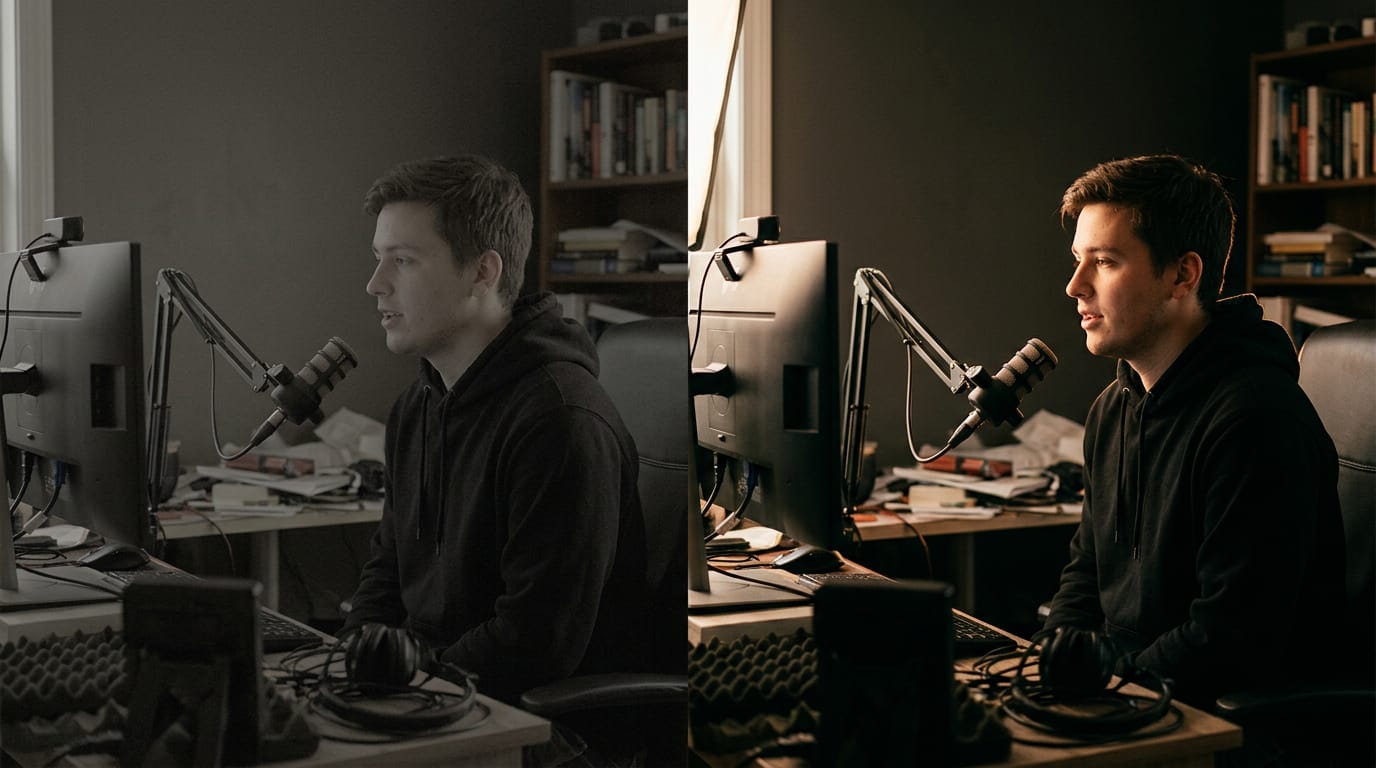
Watch out for crushed blacks, where the darkest parts lose all detail and merge into a solid blob. A podcaster in a black hoodie against a black wall can vanish completely, so add a little separation.
Check your webcam too. Auto-exposure, which brightens the picture in dim rooms, can lift every shadow back to gray. Lock your exposure manually so your darkness stays put.
Why too little fill flattens your shot
Fill light is the softer light that lifts the shadow side just enough to keep the face readable. With too little, the image can look flat and lose its depth.
Darkness alone isn’t the goal. A course creator filming a product walkthrough in a dim office might park one small lamp at the side of the desk and let light bounce off a white wall, so the hands stay visible.
Prompting AI for Low Key Lighting
Typing a prompt into an AI image tool is a fast way to preview a moody look before you move a single lamp. The words you choose decide what comes back, so be specific.
How to write a strong lighting prompt
Build your prompt from a few deliberate parts:
- Single light source. Name one light and where it sits, like one lamp on the left, just out of frame.
- Lighting ratio. Add a number such as 8:1 so the tool knows the lit side should be about eight times brighter than the shadow side.
- Mostly shadow. Say most of the frame is in shadow, so the image doesn’t fill up with fill light.
- Darkness as character. Describe the dark as part of the mood, not a flaw to fix.
This isn’t just a style trick. The chapter Lighting and Visual Opacity describes single-source lighting as a technique where the light appears to come from one lamp with one visible shadow, and it treats intensified darkness as a creative strategy.
Picture a podcaster in a converted closet who prompts for one warm lamp, an 8:1 ratio, and a dark frame. She sees the mood in seconds and knows which look to chase before spending a dollar.
Treat the output as a mockup, not final lighting. AI can’t show how your real lamp falls on your real face, so use the image for planning, then test in the room. Your camera will tell you the truth.
Low-key lighting is really about control. When you decide what stays in shadow, you decide what your audience notices first. Start with one light, a clear key-to-fill ratio, and a dark background, then fine-tune by eye instead of chasing a perfect setup.
The look works just as well in a spare room as on a soundstage. The shadows do as much of the storytelling as the light does.
References
- Lighting and Visual Opacity — doi.org (2023)
- Low Key Lighting Plays An Important Role In Hollywood Horror Films — umkeprints.umk.edu.my (2020)
Sources
- Low Key Lighting Plays An Important Role In Hollywood Horror Films, umkeprints.umk.edu.my,
- Lighting and Visual Opacity, doi.org,